

Table of contents
GOV.BR Down: Understanding the Outage That Affected Millions of Brazilians
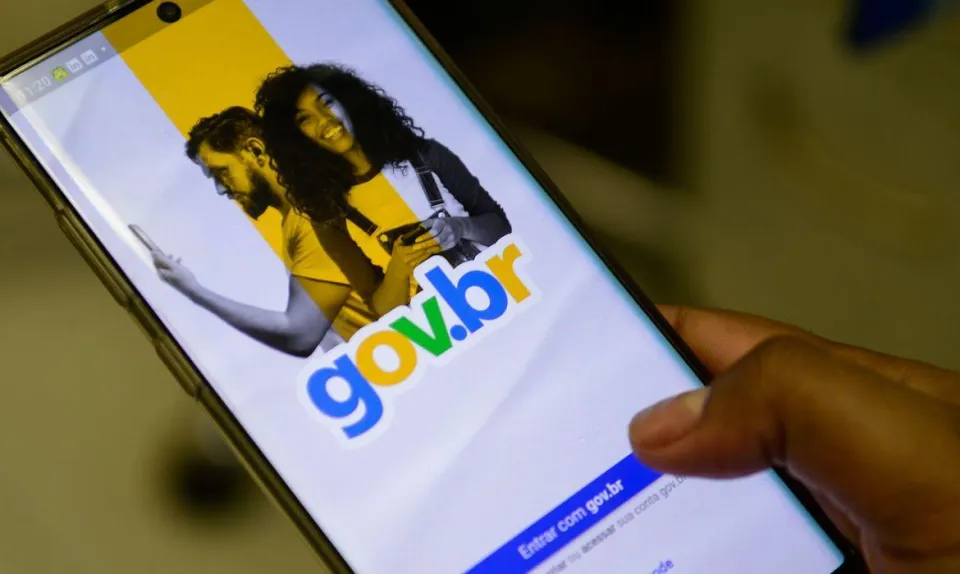
On the morning of Monday, March 25, 2024, users across Brazil faced difficulties trying to access GOV.BR, an essential platform for federal government digital services. The portal, which centralizes access to digital services such as INSS, Receita Federal (Brazil's Federal Revenue Service), and the Digital Transit Wallet (CDT), experienced instability on both its website and mobile app, causing concern and disruption for millions of people.
What happened?
According to an article published by TecMundo, numerous reports began surfacing on social media around 9:00 a.m., complaining about access failures, slow page loading, and recurring login errors. The issue affected both the web version and the GOV.BR app, impacting citizens who needed to issue documents, access social security services, check tax information, and more.
The federal government itself confirmed the instability in a statement, noting that technical teams immediately began working to mitigate the problem. The outage coincided with the period when millions of Brazilians access GOV.BR to fulfill tax obligations, such as filing their Income Tax returns and checking inquiries related to social benefits.
Why is GOV.BR so important?
GOV.BR was created to simplify and centralize digital access to public services, making life easier for citizens. Currently, more than 151 million people are registered on the platform, according to data released by the government in March 2024. Among the main services offered are:
- Access to Receita Federal (Income Tax filing and status inquiries)
- Requests and inquiries at INSS (National Institute of Social Security)
- Services from the Ministry of Labor
- Digital Transit Wallet (Carteira Digital de Trânsito)
- Issuance of certificates, vaccination records, and other official documents
With such heavy reliance, any instability directly impacts the administrative and personal routines of many Brazilians.
What did the government say?
In an official note, the Ministry of Management and Innovation in Public Services reported that the instability had been identified and that technical teams were "working to restore access as soon as possible." The statement did not detail the causes of the failure, but emphasized that there was no leak of personal data or compromise of information protected by law.
Prevention and security: what can we expect?
Failures in centralized systems like GOV.BR are not unprecedented, given the massive demand — especially during tax filing seasons or vaccination campaigns, for example. To minimize future risks, technology and information security specialists recommend:
- Continuous investments in infrastructure and servers
- Regular scalability testing and simulated attacks
- Continuous monitoring and rapid incident response
- Transparency with citizens regarding incidents and recovery timelines
As of the closing of this post, the service was already showing signs of recovery across most of the country. However, it is always recommended to plan online requests in advance, avoiding peak hours, and to seek alternative contact channels in case of instability.